Category Archives: real estate development

Missouri PSC asserts jurisdiction over one tiny utility company, but many others escape


Water and sewer services to residences and businesses are essential. Most of us take for granted that the operations of those who provide these services are reliable and are regulated. In reality, many water and sewer providers fall through several holes in Missouri’s statutory framework of regulation by the Missouri Department of Natural Resources (DNR) and the Missouri Public Service Commission (PSC).

DNR’s regulations

DNR sets engineering standards for water wells, treatment and storage facilities, and distribution systems (mains and valves). DNR licenses well drillers and maintains a registry describing each water well, based on data required to be submitted by well drillers. DNR does not regulate rates charged by water sellers, but does require that permanent entity (called a “continuing authority”) be established for each water system serving more than 15 users. A continuing authority for water is required to show DNR that it has the technical, managerial and financial capacity to operate the system, or at least that’s what the rules say. DNR implements its regulations by requiring submittal of engineering plans for the issuance of construction permits and certfications from private engineers that water and sewer facilities are completed according to the approved plans before issuance of operating and discharge permits. DNR also licenses operators of water and sewer facilities. Read the rest of this entry
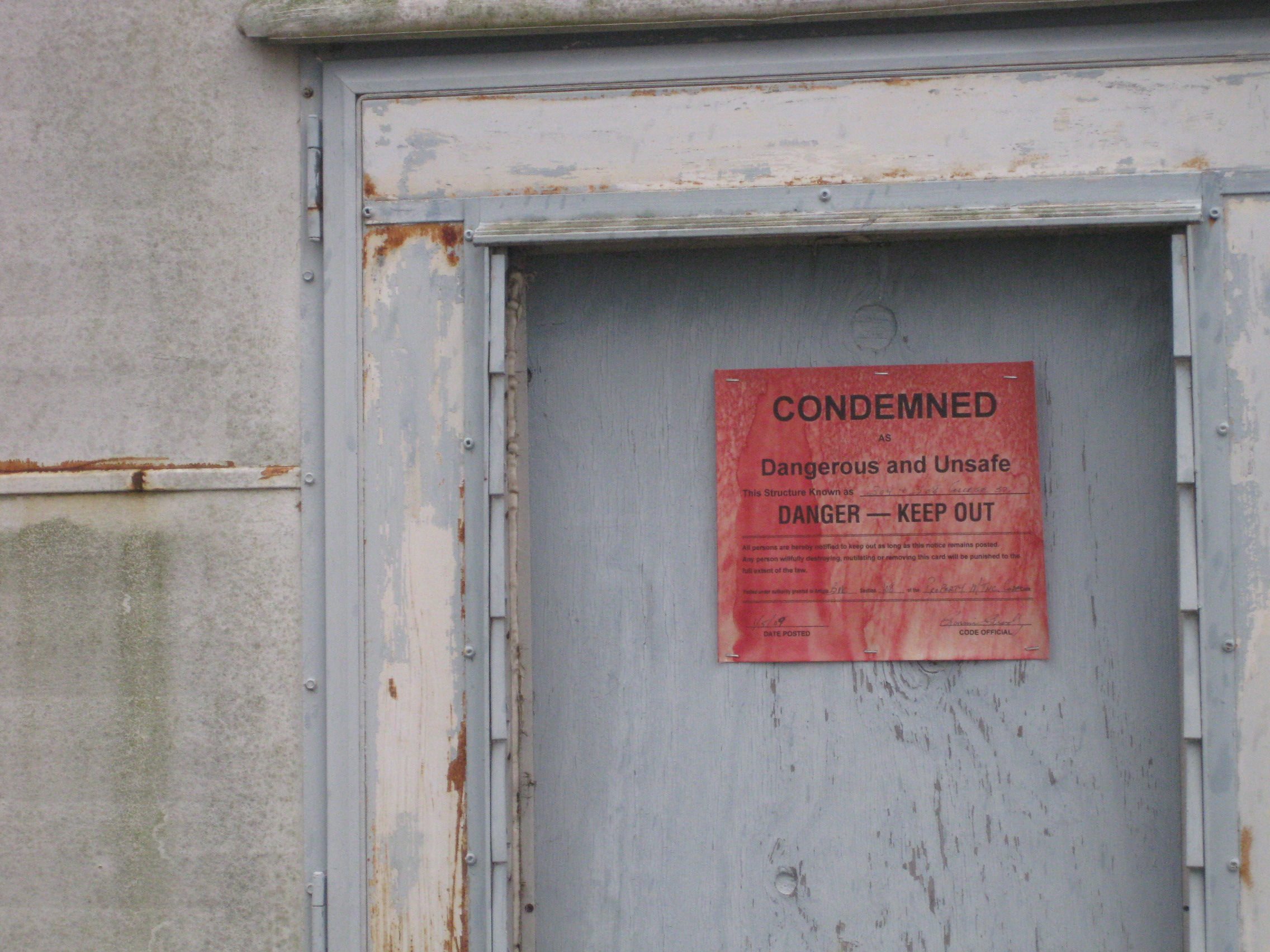
Table Rock Lake and the cost of economic activity

Posted on

Kathleen O’Dell’s article about the economic impact of Table Rock Lake in today’s Springfield News-Leader, entitled “Table Rock Dam Gives Much Back to Area,” covers a lot of ground in describing the various kinds of economic activities that are related to the construction and continued existence of Table Rock Lake.

In an economic sense, is the Table Rock Lake area fit (efficient and nimble) or obese (expensive to maintain and subject to falls)? As pointed out below, the two counties most affected by Table Rock Lake have experienced the area’s lowest growth in Read the rest of this entry

Private dam not grandfathered from safety regs

Posted on

Because the possibility that a dam could break is a continuing risk, an old dam isn’t exempt from newer rules for dam safety. So said the Missouri Supreme Court in an opinion released on May 5, 2009, reversing the ruling of a Springfield trial judge.

The trial judge threw out a suit filed by the Missouri Attorney General against the Olives, who had purchased a farm with an old dam on it. The suit alleged that the Olives violated the Missouri dam and reservoir safety law by failing to register the dam with the Missouri Dam and Reservoir Safety Council, a state agency. The dam was built in 1974, five years before the dam and reservoir safety regulations went into effect.

Registration of a dam triggers the implementation of a safety program and requires the submittal of an as-built survey of the dam. In other words, registration is the beginning of a process that allows the Dam and Reservoir Safety Council to keep track of the dam, make requirements for maintenance and repairs, and review any proposals for modification of the dam.

The trial judge’s decision was based on two points Read the rest of this entry

Branson Landing and FEMA


Several people have asked me about my take on the allegations that FEMA was given incomplete or inaccurate information about the flood-plain status of buildings in Branson Landing.

My firm represents several tenants and condo unit owners in Brans0n Landing and also represents another party in an appeal of an administrative determination made by Branson’s Department of Planning and Development.

I am withholding comment about the Branson Landing-FEMA controversy for two reasons:

  • I don’t know anything
  • I don’t want to inadvertently make a statement that would affect my firm’s ability to represent its clients.

This property is condemned! How does that work?


img_0677

Condemnation of property gets the blood pumping. The signs posted on this dilapidated trailer by the City of Branson indicate that it is “condemned,” but most of us don’t understand exactly what this means.

Condemnation has two meanings for local governments and property owners: Read the rest of this entry

SB 230: The Uniform Planned Communities Act


Today, I’ll travel to Jefferson City to testify before a Senate committee in favor of the Uniform Planned Communities Act, which is Senate Bill 230, sponsored by Sen. Joan Bray.

I have testified in support of the UPCA at two or three times previously. I’m not a lobbyist, and I testify for myself at my own expense, taking off work to do so. Here’s why: Read the rest of this entry

Nightly rental controversy in Ruidoso


I’m on vacation. I could have spent the night in a single-family home here in Ruidoso, New Mexico, rather than the Days Inn.

According to the local paper, the village council adopted an ordinance regulating nightly rentals after a judge ruled that this use was “residential.” The judge noted that the “business” aspects of nightly rentals–placing reservations and making payments–did not take place in the residences.

The new ordinance requires purchase of licenses, notice to neighbors, payment of lodging taxes, and placement of fire extinguishers in the homes. Violations can result in revocation of licenses after three complaints.

There are several hundred homes available for nightly rental in Ruidoso. The situation in the Branson and Table Rock Lake area is probably similar.

Court reminds city that its powers are limited


Elected officials tend to think that they ought to be able to do whatever seems reasonable under the circumstances. But the Court of Appeals for the Eastern District of Missouri took a different view, in Cliff Hindman Real Estate, Inc. v. City of Jennings, handed down March 10, 2009. The Court of Appeals struck down an ordinance requiring landlords to buy licenses from the City, because Read the rest of this entry

Taney County will seek stimulus money


Ken Kline, chair of the Taney County (Missouri) Industrial Development Authority (IDA), persuaded the Taney County Commission yesterday to fund an Office of Economic Development, so that Taney County will have people actively pursuing money dedicated to rural projects in the stimulus package pushed through Congress by the Obama Administration.

Ken’s presentation was well-organized, with detailed descriptions of the duties of the persons that he wanted the county to hire. The request suggested that these county employees report to the IDA, which consists of unpaid appointees.

I spoke in support of Ken’s proposal and pointed out that many of the functions of the proposed Office of Economic Development were within the statutory duties of the county’s planning commission, but were not currently being performed.

Sarah Klinefelter, chair of the planning commission, agreed that the planning commission had been primarily responding to requests for zoning permits, rather than performing its planning function. New county commissioner Jim Strafuss told me after the meeting that the county commission had issued an RFP for a comprehensive plan.

I  hope that rural counties in the Ozarks will take advantage of the opportunity to upgrade roads and bridges, water and sewer facilities, school buildings, and parks and to establish technology facilities. Otherwise, we’ll be faced with doing our part to pay for improvements made elsewhere, putting us even further behind.

Eureka School District loses TIF battle


School districts are the natural enemies of tax-increment financing projects (TIFs). The TIF designation of a redevelopment area limits a school district’s share of the increases in property taxes that occur in that redevelopment area, diverting what would have been the school district’s share of property taxes to paying for a portion of the developer’s cost of infrastructure.

On February 24, 2009, Missouri’s Eastern District Court of Appeals issued its opinion Read the rest of this entry